What is a PCB?
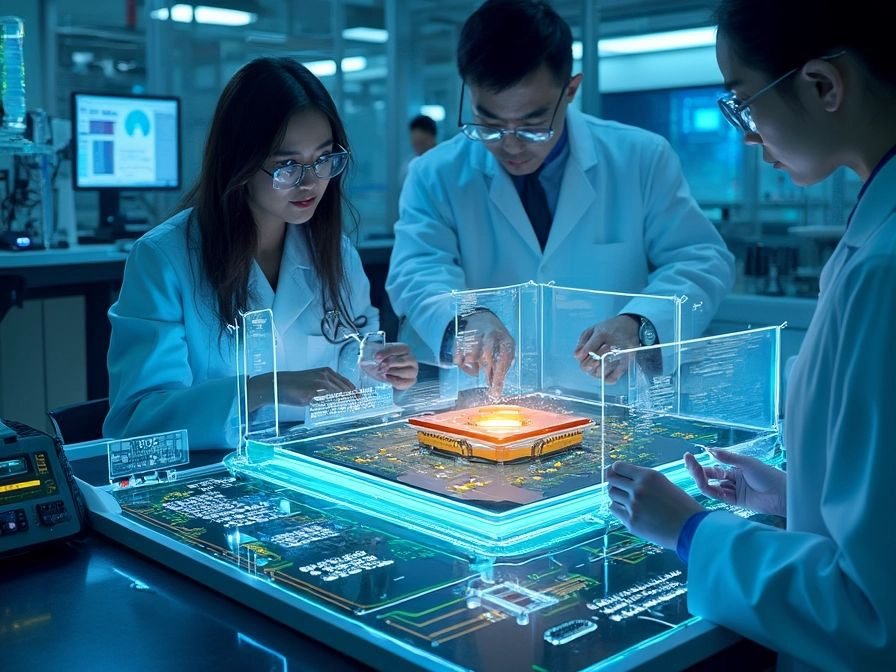
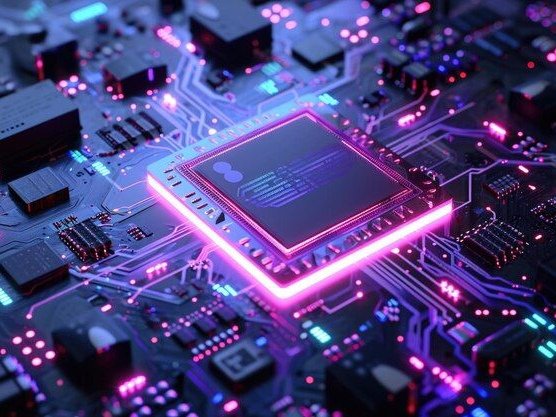
A Printed Circuit Board is a flat board made from non-conductive material (such as fiberglass) that supports and connects electronic components using conductive tracks, pads, and layers of copper. Instead of messy wires tangled together, PCBs provide a neat, reliable, and scalable way of building electronic circuits.
With the rise of miniaturization, IoT, and 5G technology, PCBs are becoming more advanced than ever. Trends like HDI (High-Density Interconnect) boards, flexible circuits, and even biodegradable PCBs are shaping the future. These innovations will lead to smaller, greener, and more powerful electronics that blend seamlessly into our daily lives.
Compact Design
- PCBs allow manufacturers to pack more functionality into smaller devices. Without them, modern smartphones, wearables, or IoT devices would be impossible.
Reliability
- The precise manufacturing process ensures stable and secure connections between components, reducing the risk of failure.
Cost-Effectiveness
- Once a PCB design is finalized, it can be mass-produced quickly and economically, making electronics affordable.
Ease of Maintenance
- With labeled pathways and organized layouts, diagnosing and repairing faults becomes easier.
The Future of PCB Electronics
With the rise of miniaturization, IoT, and 5G technology, PCBs are becoming more advanced than ever. Trends like HDI (High-Density Interconnect) boards, flexible circuits, and even biodegradable PCBs are shaping the future. These innovations will lead to smaller, greener, and more powerful electronics that blend seamlessly into our daily lives.